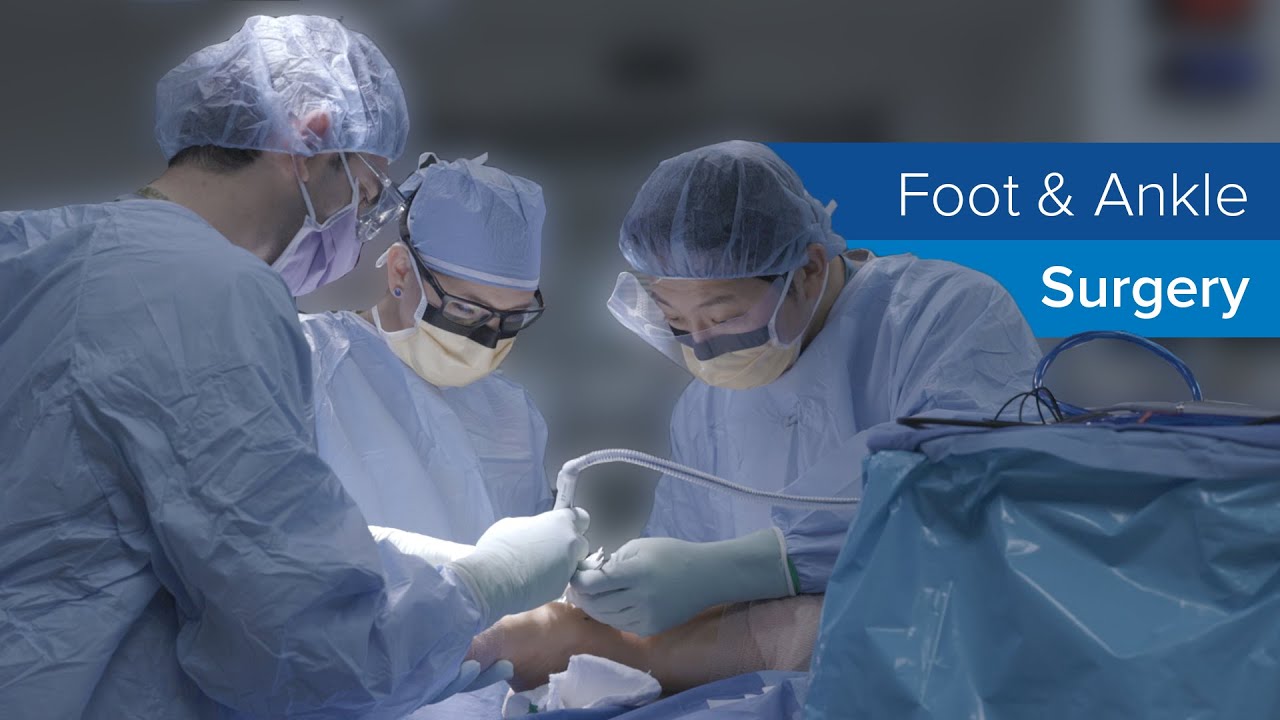
Ankles tolerate more abuse than most joints in the body. Every step funnels force through a bony ring that is stabilized by a complex web of ligaments, tendons, cartilage, and nerves. When that system fails, from a bad sprain that never healed to an ankle that collapses after years of arthritis, life narrows. Patients stop hiking the hills they love, avoid stairs at work, or grip the grocery cart just to make it through the store. An experienced foot and ankle reconstruction surgeon is trained to reverse that slide, restore stability, and get patients back to confident movement.
I trained first as a foot and ankle orthopedic surgeon, then spent years in subspecialty clinics learning how to rebuild ankles that have been battered by injury, deformity, and time. Some of my closest colleagues are foot and ankle podiatric surgeons who bring complementary skills, particularly in complex reconstructions and limb salvage. The title matters less than the craft. This field demands judgment, steady hands, and a feel for the way bone, ligament, and tendon share load in real life, not just on a diagram.
What “reconstruction” really means
Reconstruction is not one operation. It is a spectrum of procedures matched to the failure in front of you. The goals are simple to say and harder to achieve: stabilize the ankle, align the foot under the leg, preserve motion when possible, and relieve pain. Sometimes that means repairing ligaments with suture anchors after chronic sprains left the ankle loose. Sometimes it means transferring a tendon to replace a torn one, placing hardware to correct a malunited fracture, resurfacing damaged cartilage, or fusing worn-out joints to eliminate grinding pain. In rare cases, it means total ankle replacement.
The best foot and ankle reconstruction surgeon thinks in systems. A patient may come in asking only about ankle pain, but the solution could require addressing a flatfoot deformity that is forcing the talus to tilt and the ligaments to strain. If you repair one piece without restoring the overall alignment, you invite recurrence. That systems view separates the generalist foot and ankle doctor from a dedicated foot and ankle reconstructive specialist.
check hereWhen to see a reconstruction specialist
Patterns repeat. A weekend athlete sprains an ankle in her twenties, keeps playing, and by her mid-thirties has a chronically unstable joint. A warehouse worker suffers a fracture that heals slightly crooked, and within a year every step hurts. A patient with long-standing diabetes develops a foot wound that exposes bone and becomes infected; after urgent debridement, the leg is at risk unless the limb biomechanics are rebuilt. A marathoner ramps up training and develops persistent Achilles pain that never settles with rest.
These are the moments to look for a foot and ankle specialist with reconstruction expertise. While many issues respond to nonoperative care, the tipping points are clear in clinic: persistent mechanical instability, progressive deformity, end-stage arthritis, tendon ruptures, recurrent sprains despite therapy, cartilage lesions that cause locking or swelling, and bone malunions. A thorough evaluation by a foot and ankle orthopedic doctor or foot and ankle podiatrist will sort the amenable problems from the ones that need surgery.
If you are searching phrases like foot and ankle surgeon near me or foot and ankle specialist near me, seek a clinician whose daily work includes ankle ligament repair, tendon transfer, osteotomy, arthroscopy, fusion, and in selected cases, total ankle replacement. Titles vary. You might see foot and ankle orthopedic surgeon, foot and ankle podiatry surgeon, foot and ankle reconstructive orthopedic surgeon, or foot and ankle podiatric surgeon. What you want is depth of experience and a track record with your specific problem.
The evaluation: beyond the X-ray
A first visit with a foot and ankle injury doctor should feel methodical, not rushed. History frames the target. If a patient describes multiple sprains, a feeling of the ankle “giving way,” and swelling after uneven ground, ligament laxity moves higher on the list. If pain worsens with the first steps in the morning and eases with limbering, plantar fasciitis remains possible, but persistent focal tenderness over the anterior ankle with catching suggests a cartilage lesion instead. A foot and ankle pain specialist learns to hear those differences.
Physical exam is hands-on. We test ligament integrity with anterior drawer and talar tilt. We map tenderness over the peroneal tendons, posterior tibial tendon, and Achilles. We look for cavus or flatfoot, assess heel alignment, measure gastrocnemius tightness, and check nerve function. A foot and ankle nerve specialist will add Tinel’s testing over the tarsal tunnel when numbness or burning complicate the picture.
Imaging begins with weight-bearing radiographs. Standing films show how the foot supports the leg, and small alignment errors become obvious. If cartilage is suspect or instability is subtle, MRI can define ligament and tendon quality along with osteochondral lesions. CT helps when bone is deformed or previous fractures healed imperfectly. Dynamic ultrasound sometimes assists in diagnosing peroneal tendon subluxation. These tools guide, but decisions remain grounded in your symptoms and goals.
Not every problem needs an operation
A responsible foot and ankle care specialist knows when not to operate. Many patients improve with targeted nonoperative care that treats the biomechanics, not just the pain.
- Structured physical therapy builds peroneal strength after sprains, restores proprioception, and can calm chronic instability over eight to twelve weeks. Bracing stabilizes the ankle during higher-risk activities. A lace-up brace can be the difference between a full day at a job that requires ladders and another injury. Orthotics and shoe modifications shift load in flatfoot or cavus alignment and protect sore joints. For some, a medial posted orthotic eliminates pain that felt surgical. Image-guided injections, used judiciously, reduce synovitis or calm a tendon sheath to allow real rehab. Hyaluronic acid or biologic injections remain debated; benefit varies and cost often lies with the patient. Activity modification, weight management, and a thoughtful return to sport plan matter more than any brace. A foot and ankle sports medicine specialist will have you cross-train while the injured tissue heals, then rebuild impact gradually.
If symptoms persist, mechanics remain poor, or alignment continues to collapse, surgery enters the conversation.
Surgical options and how they feel on the inside
Ligament reconstruction. For lateral ankle instability that fails therapy, a Broström-style repair is the workhorse. We tighten and reinforce the anterior talofibular and calcaneofibular ligaments, sometimes with an internal brace to protect the repair early. In revision cases or with very lax tissue, we use tendon grafts to reconstruct the ligament complex. Patients often walk in a boot within two weeks and begin controlled motion early. Return to running comes at three to four months, to cutting sports closer to six.
Cartilage repair. Osteochondral lesions of the talus cause deep pain and swelling. Small lesions respond to arthroscopic microfracture or drilling, sometimes augmented with biologic scaffolds. Larger, cystic lesions may need osteochondral grafting. A foot and ankle arthroscopy surgeon can address many lesions through two small portals, but some require an open approach to position grafts precisely. Weight-bearing is usually restricted for six weeks to protect the repair.
Tendon surgery. A torn peroneal tendon on the outside of the ankle, or a failing posterior tibial tendon on the inside, changes foot alignment and stability. Tendon repair or transfer restores force lines. Posterior tibial tendon dysfunction often pairs with osteotomies to lift the arch and shift the heel under the leg. When someone asks why we “cut bone for a tendon problem,” the answer is simple: the tendon failed trying to hold alignment that bone could not maintain on its own. A foot and ankle tendon surgeon saves the tendon by giving it better mechanics.
Fracture malunion correction. When a fracture heals crooked, the joint pays the price with uneven load. A foot and ankle fracture surgeon can realign bone through osteotomy, restore length to the fibula, correct rotational errors, and stabilize the syndesmosis if needed. Patients feel the difference not only in reduced pain but in regained trust on uneven ground.
Arthrodesis. Fusion has an undeserved reputation. When an ankle joint or one of the hindfoot joints is destroyed by arthritis, each step becomes a grind. A foot and ankle fusion surgeon removes the remaining cartilage, positions the joint in functional alignment, and fixes it until bone bridges the gap. Motion disappears at that joint, but pain commonly falls from a daily 7 or 8 out of 10 to a 1 or 2. I have teachers who returned to full classrooms and hikers who tackle long trails again with a fused ankle because predictability beats painful motion. Trade-offs are real: adjacent joints take more motion and can wear over the years. For patients who prefer predictable relief and have heavy labor demands, fusion remains a strong option.
Total ankle replacement. Ankle arthroplasty preserves motion and can offer a more natural gait than fusion. Ideal candidates have well-aligned ankles, reasonable bone quality, and intact surrounding ligaments. Smokers and those with significant deformity or neuropathy face higher risk. Implants continue to improve, and with careful patient selection, a foot and ankle joint surgeon can deliver excellent outcomes. Longevity varies by patient size and activity, but ten-year survivorship in good candidates compares favorably to historical norms. That said, a revision ankle replacement is more complex than a revision fusion. This is a decision made after detailed discussion.
Minimally invasive techniques. A foot and ankle minimally invasive surgeon can address many problems through small portals, including arthroscopy for impingement, tendon endoscopy, and percutaneous osteotomies for certain deformities. Smaller incisions can help wound healing and speed early recovery, especially in athletes. Minimally invasive does not mean minimal surgery. The same biomechanical goals apply. Good candidates have focused pathology in the right location.
Complex and limb salvage cases. Diabetic Charcot collapse, severe infections, and neglected trauma call for staged reconstruction. A foot and ankle limb salvage surgeon debrides infection, stabilizes bone with external fixation, reconstructs alignment, and works closely with wound care and vascular teams. The goal is durable function, not just closure. These cases test the entire team’s patience, but salvaged limbs return independence that amputation cannot always match.
How surgeons make decisions under uncertainty
Images and measurements help, but the real judgment lives in the gray zones. I think about three axes.
- Stability. If the ankle is structurally unstable, bracing can buy time, but mechanical failure typically returns. Ligament reconstruction or osteotomy that corrects alignment solves the root. Alignment. Tendon repairs fail if the bone alignment forces them to fight every step. Align first, reinforce second. Motion versus pain. Preserving motion with a replacement or joint-sparing procedure sounds attractive, but not if it risks recurrent pain or early failure. Fusing the right joint often increases a patient’s walking tolerance more than a painful, preserved joint ever could.
Patients sit with me while we sketch these trade-offs on exam paper. A foot and ankle corrective surgeon is only as good as the fit between a patient’s goals and the procedure chosen.
What recovery actually looks like
Timelines vary by procedure, but patterns hold. After ligament reconstruction, patients usually spend one to two weeks non-weight bearing in a splint, then transition to a boot with early range of motion. Light stationary cycling starts around three weeks. By six weeks, most can walk in a supportive shoe. Running and higher impact wait until three months, agility later. After cartilage repair, weight-bearing is typically protected for six weeks to allow the lesion to heal, then gait retraining starts in earnest.
After hindfoot osteotomy or fusion, six to eight weeks of non-weight bearing is common. I plan work leaves around that window. Desk work can resume earlier with leg elevation. Heavy labor asks more patience. After total ankle replacement, many protocols allow earlier protected weight-bearing, but swelling can linger for months. The foot and ankle surgery specialist who will guide you through this is as important as the one who performs the operation. Rehab is not a formality. Calf strength, proprioception, and gait mechanics determine how “normal” your ankle feels in the real world.
People ask about pain. We use multimodal pain control and emphasize swelling control with elevation. I tell patients that the first three to five days matter most for comfort and wound care. By two weeks, pain typically drops significantly. Smokers, poorly controlled diabetics, and patients with vascular disease face more wound issues. A foot and ankle wound care surgeon works proactively to protect incisions and manage scar sensitivity.
Special scenarios that deserve extra thought
Athletes. The foot and ankle sports injury doctor pays attention to the calendar. Is there a season to preserve? A sprinter with a peroneal tendon tear and a championship in twelve weeks gets a different pathway than a recreational runner who simply wants to be comfortable by summer. Clear performance targets drive the rehab plan. We sometimes use internal brace augmentation during ligament repair for earlier functional stability, knowing that tissue biology still needs time.
Workers on their feet. A foot and ankle treatment doctor should ask about flooring, footwear, and shift patterns. The goal is not a perfect MRI but a day you can finish without limping. Durable solutions trump marginal gains. Fusions do well in this group, provided alignment is correct.
Arthritis with deformity. A foot and ankle arthritis specialist must weigh replacement versus fusion carefully. Severe varus or valgus tilt increases risk. Staging with initial alignment procedures followed by replacement is sometimes the right answer.
Nerve pain. When numbness, burning, or shooting pain complicate the picture, a foot and ankle nerve specialist rules out tarsal tunnel syndrome, sural neuritis, and peroneal nerve entrapment. Nerve issues can mimic tendon pain and sabotage rehab if ignored. Nerve surgery can be part of reconstruction, but only after conservative measures are exhausted.
Pediatrics and growth. A foot and ankle pediatric specialist treats different conditions, including congenital deformities and adolescent sports injuries. Growth plates limit some options and favor guided growth or soft tissue procedures. Kids heal faster, but they also return to risk faster. Coaching families on staged returns prevents avoidable setbacks.
Diabetes and infection. A foot and ankle diabetic foot surgeon balances glycemic control, vascular status, and mechanical reconstruction. Limb salvage is a team sport. I have seen patients keep limbs they were told could not be saved, but only with relentless attention to wound care, pressure offloading, and staged stabilization.
Choosing the right surgeon for you
Titles vary by training pathway, but excellence leaves clues. Ask how often they perform your contemplated procedure, whether they are comfortable with both joint-preserving and joint-sacrificing options, and how they handle complications. A foot and ankle consultant should lay out nonoperative and operative paths, discuss alternatives like arthroscopy versus open approaches, and explain why they favor one route. If your needs are complex, look for a foot and ankle extremity specialist who works closely with pain management, vascular surgery, infectious disease, and physical therapy. Convenience matters, but expertise matters more. Searching foot and ankle expert near me is a start; vetting outcomes and fit is the finish.
I also recommend asking about postoperative protocols. A thoughtful foot and ankle orthopedic provider will have detailed timelines, pain control plans, and a clear handoff to therapy. For those with chronic pain syndromes or anxiety about surgery, a foot and ankle chronic pain doctor can partner to manage expectations and comfort.
Case snapshots from practice
A distance runner in her thirties came in with recurring ankle swelling and sharp anterior pain at mile eight. Exam showed stable ligaments but focal tenderness and mild catching. MRI revealed a 10 by 8 mm osteochondral lesion of the talus. We performed arthroscopic microfracture with biologic augmentation. She cycled and swam for six weeks, walked at eight, jogged at twelve, and ran a half marathon at six months. Two years later, she reports full training volume with occasional stiffness after long downhill runs.
A warehouse foreman in his fifties had a high-energy ankle fracture that healed with slight fibular shortening and talar tilt. Every step on uneven ground felt like it was slipping. We corrected the malunion with fibular lengthening osteotomy and syndesmosis stabilization. Within four months, he was back to full shifts without a brace.
A retired teacher in her sixties had end-stage ankle arthritis with a 15 degree valgus deformity and painful hindfoot. After discussing replacement versus fusion, she chose tibiotalar fusion with a calcaneal osteotomy to restore heel alignment. Pain fell dramatically, and while she lost ankle motion, her walking distance doubled. She sends postcards from long, slow hikes she used to avoid.
A patient with longstanding diabetes developed a midfoot Charcot collapse with a chronic plantar wound. After vascular optimization and staged debridement, we stabilized the foot with external fixation, corrected alignment, performed limited fusion, and worked with a foot and ankle wound care surgeon to achieve closure. It took six months of persistence. He now uses diabetic footwear and walks his dog daily without recurrent ulcers.
The role of technology and technique without the hype
Navigation, patient-specific guides, suture tapes, and biologics have a place. A foot and ankle advanced ankle surgeon will use tools that add precision without letting gadgets drive decisions. For example, patient-specific cutting guides can help in total ankle replacement when bony landmarks are distorted. Internal bracing can protect a repaired ligament during early motion, especially in high-demand athletes. Biologics may enhance cartilage or tendon healing in selective cases, but they are not magic, and evidence remains mixed. An honest foot and ankle medical doctor will tell you when a pricey add-on changes your odds and when it mostly changes your bill.
Risks, complications, and how to reduce them
Every surgery carries risk: infection, wound problems, nerve irritation, blood clots, nonunion after fusion, stiffness, and residual pain. Good planning reduces many of these. Smoking cessation before and after surgery halves wound complications in my practice. Optimizing blood sugar reduces infection risk. Vitamin D sufficiency and protein intake support bone and tendon healing. Early, guided motion reduces stiffness without compromising repairs. A foot and ankle surgical doctor who is candid about complications is more likely to prevent and manage them.
I also pay close attention to the calf. After immobilization, the calf weakens, and patients develop a guarded gait that persists even when structurally healed. Focused strengthening and gait retraining shorten recovery more than any brace. Small details, like teaching patients to elevate with the heel above the knee and the knee above the hip, reduce swelling faster and make wounds happier.
What a good outcome feels like six months later
Patients describe confidence. Stairs no longer require a handrail. Grass feels easy. The ankle swells less after a long day and stops dominating their attention. Not everyone returns to marathon racing or heavy labor, and the honest foot and ankle orthopedic specialist will level with you about those odds. But a stable, aligned ankle that cooperates with your life is attainable far more often than patients realize when they first hobble into clinic.
If you are reading this because your ankle has held you hostage for years, know that options exist. Whether you start with a foot and ankle sprain doctor for a stubborn instability, a foot and ankle Achilles specialist for tendon pain, or a foot and ankle arthritis specialist for grinding stiffness, the right evaluation will map a path. Sometimes it is therapy and bracing, sometimes a precise arthroscopy, sometimes a reconstructive plan that looks like a small engineering project. All of it serves one aim: restoring stability so you can move without fear.
A brief guide to preparing and recovering
- Ask your surgeon to outline nonoperative and operative options in plain language, including what success and failure look like for each. Plan your home for mobility. Crutches, a knee scooter, shower chair, and a clear path save energy and reduce falls during non-weight-bearing phases. Elevate smarter, not just higher. Heel above knee, knee above hip, 45 minutes out of every hour for the first week. Commit to therapy. Show up, do the home work, and protect the repair during the vulnerable early window. Stay ahead of swelling and pain. Ice with a barrier, take scheduled anti-inflammatories if allowed, and call early for wound concerns.
The team behind the surgeon
Reconstruction succeeds when the team is aligned. A foot and ankle orthopedic doctor may perform the operation, but outcomes depend on anesthesia that respects nerve health, nursing that protects wounds, therapists who teach steadiness, and primary care or endocrinology partners who optimize medical conditions. When nerve symptoms complicate recovery, a foot and ankle nerve surgeon reviews and adjusts. When sports goals drive the timeline, a foot and ankle sports medicine specialist adapts rehab. For complex trauma, the foot and ankle trauma surgeon coordinates with plastic surgery, vascular teams, and infectious disease. Good surgeons build these teams intentionally.
Final thoughts from the clinic
I remember a patient who said the best part of her reconstruction was not the absence of pain but the return of trust. She stopped scouting the ground before each step. That is what a seasoned foot and ankle reconstructive specialist strives for, whether working as a foot and ankle orthopedic foot surgeon, a foot and ankle podiatric expert, or a foot and ankle lower extremity specialist. Titles vary; the mission does not.
If you are weighing your next step, seek a conversation, not a sales pitch. Bring your goals and fears to a foot and ankle consultant who listens more than they talk at first, examines you thoroughly, and explains the plan in a way that makes sense. Whether the right answer is therapy, a brace, an arthroscopic cleanup, a ligament reconstruction, a fusion, or a replacement, the endpoint is the same: an ankle and foot that let you live the life you choose, with stability under every step.