An ankle that works well disappears into the background of daily life. You only notice it when it hurts, swells, or refuses to keep up. As a foot and ankle surgeon who treats runners, tradespeople, weekend hikers, and grandparents chasing toddlers, I see a common pattern: people wait, hope things improve, then look for help when the ankle limits work, sport, or sleep. For many of these patients, minimally invasive techniques move recovery in the right direction. Smaller incisions are not the only point. The goal is less soft tissue trauma, less scarring, more precise correction, and a faster, steadier return to what you love.
This is not marketing hype. Minimally invasive ankle surgery is a toolbox, not a single operation. Used well, it reduces risk and shortens downtime. Used poorly, it simply moves a bigger problem later. Patient selection, surgeon skill, and thoughtful rehab matter as much as any instrument.
What “minimally invasive” actually means in the ankle
In practical terms, minimally invasive surgery involves working through portals or small incisions, usually 3 to 10 millimeters, to address cartilage, bone, ligament, or tendon problems. A camera and specialized tools, sometimes powered burrs or shavers, do the work inside the joint. In other cases, percutaneous guides let the surgeon realign a fracture or release a tight structure without a long cut. For some problems, a minimally invasive foot surgeon or ankle surgeon can correct deformity with narrow dissection and cleverly directed screws rather than an open plate.
The ankle is a tight space with critical nerves, vessels, and tendons close together. That makes precision essential. Arthroscopy, endoscopy, fluoroscopy, and intraoperative ultrasound are common adjuncts that let a board certified foot and ankle surgeon see what matters and avoid what does not.
What improves when incisions shrink
Smaller incisions, less soft tissue stripping, and less time with retractors on tendons tend to produce predictable benefits. Patients typically report less postoperative pain in the first one to two weeks. Bruising is lighter, and blistering around incision edges is rare. Wounds are typically easier to manage, which matters if you have diabetes, vascular disease, or thin, fragile skin. Cosmesis is better. But most patients care about function, not photos, so I track metrics like time to weight bearing, time to first unassisted walk, return to driving, and return to work.
For ankle arthroscopy treating impingement, many desk workers return in 3 to 7 days. People with standing jobs often need 2 to 3 weeks, sometimes longer if swelling lingers. After minimally invasive fixation of a non-displaced lateral malleolus fracture, I commonly permit protected weight bearing in a boot within the first 2 weeks, once stability is confirmed by imaging and exam. That is sooner than with many open constructs. These are not promises. They are typical arcs when tissue handling has been kind and the patient commits to rehab.
Problems that lend themselves to minimally invasive care
No surgical approach is a magic trick. That said, certain ankle conditions are particularly well suited to a small-incision strategy with a skilled foot and ankle specialist.
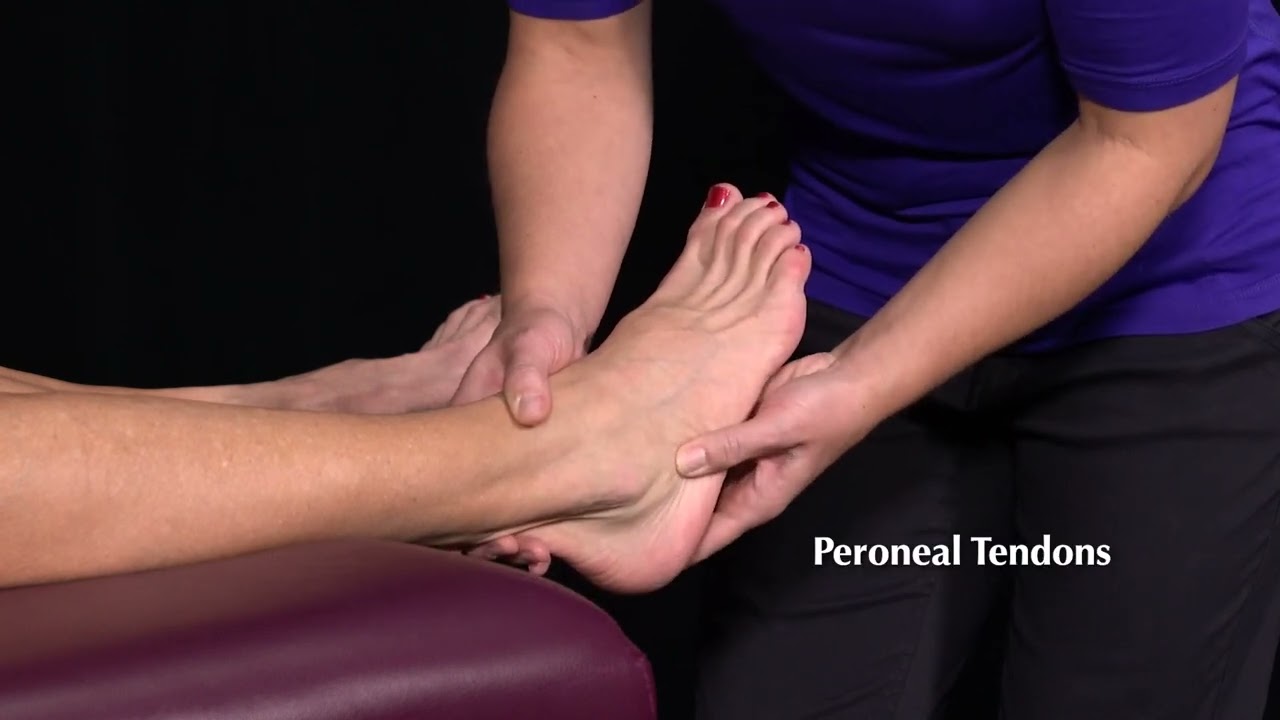
- Anterior ankle impingement, bony or soft tissue, responding to arthroscopic debridement when conservative care fails Osteochondral lesions of the talus, especially small to medium defects amenable to microfracture, drilling, or osteochondral grafting through arthroscopic portals Lateral ankle instability, treated with arthroscopic-assisted Brostrom repair or internal brace augmentation when tissue quality allows Peroneal tendon tears and tendinopathy, addressed through limited incisions or endoscopic techniques when the retinaculum and groove anatomy permit Certain ankle fractures and syndesmosis injuries that can be reduced percutaneously with guidewires and screws or suture-button constructs, with imaging guidance
A podiatric surgeon or orthopedic foot and ankle specialist decides on these options only after a careful exam, targeted imaging, and a review of your activity demands. A sports ankle surgeon may make different choices for a sprinter than for a firefighter, not because the anatomy changes, but because real-world loads and timelines do.
When minimal is not better
A minimally invasive approach is a means, not an end. There are times when I recommend a standard open procedure. If the bone is shattered in multiple planes, if the cartilage defect is very large, if the soft tissues are badly scarred from prior surgery, or if the nerve map of the ankle is altered by previous trauma, safety and durability may require a larger exposure. Patients with uncontrolled diabetes or poor circulation may also fare better with a straightforward incision placed where blood supply is most reliable.
- Severely comminuted fractures with poor skin quality, where stable plating and soft tissue flap planning trump tiny incisions Large osteochondral lesions needing structural grafts that cannot be seated through portals without compromising alignment Revision ligament reconstructions with poor tissue integrity where grafts and anchors require open placement and direct visualization Advanced ankle arthritis where joint replacement or fusion needs full access for alignment and implant positioning Complex deformities involving the hindfoot and midfoot that require staged correction rather than a single percutaneous step
Good surgery starts with honest indications. A foot and ankle physician who promises minimally invasive solutions for everything is selling, not advising.
A day in the operating room, without the drama
Most minimally invasive ankle procedures are outpatient. You arrive, meet anesthesia, and discuss a plan that may include a regional nerve block around the knee or ankle. A well-placed block reduces early pain significantly and typically wears off in 12 to 24 hours. For arthroscopy, I mark the portals around the front of the ankle, usually a pair near the joint line. A tight tourniquet is rarely necessary with meticulous local control, and keeping it off minimizes stiffness later.
Inside the ankle, the camera projects the joint onto a high-definition screen. Cartilage defects look like potholes with soft, frayed edges. Inflamed synovium resembles seaweed waving in current. I remove the fray, stimulate healing where evidence supports it, and smooth bony spurs under direct vision. When treating lateral ankle instability, a minimally invasive ankle surgeon can inspect the joint, confirm no hidden cartilage injuries, and then repair or augment the ligament using small stab incisions to place anchors and suture tape along the natural tension lines.
Percutaneous fracture work feels different. Fluoroscopy guides every step. The art is in reduction, not hardware. A millimeter here or there changes joint congruity, and the joint does not forgive much. I tell trainees: perfect under the skin is better than pretty on the skin.
What recovery really looks like
People often expect a binary outcome: small incision equals instant recovery. Bodies heal at their own speed. Swelling lasts weeks. Nerves can be irritable, even when uninjured. Discomfort moves around as you progress from boot to shoe. Plan on a curve that improves most steeply in the first 2 to 6 weeks, then flattens as you regain strength and endurance. For athletes, the last 10 percent takes as long as the first 90.
I give a clear timeline and revise it based on feedback. After ankle arthroscopy for impingement, I encourage early ankle motion within 24 to 48 hours, simple pumps and circles, then resistance work as swelling recedes. After minimally invasive Brostrom stabilization, I protect the ligament for 2 to 4 weeks before pivoting to proprioception and balance. Time to running varies widely. Runners with debridement alone may start light jog intervals at 4 to 6 weeks. After ligament repair with an internal brace, 8 to 12 weeks is more realistic, sometimes longer if there was a cartilage component.
Practical details help more than generalities. Expect to sleep better in a boot for the first week, with the leg propped on two pillows. Keep the incision clean and dry until cleared. If you smoke, your wound and bone care less about incision length and more about oxygen delivery. Stopping improves outcomes more than any piece of equipment I can offer.
Pain control that respects your life
A good foot and ankle doctor takes pain management seriously without overmedicating. Regional blocks, acetaminophen, an NSAID if your stomach and kidneys allow, and ice used intelligently do most of the work. If an opioid is prescribed, I aim for no more than a few days, tapering as soon as sleep normalizes. Patients consistently report that the combination of a nerve block and small incisions reduces early pain and makes that taper straightforward.
Some patients, especially those with chronic ankle pain before surgery, have central sensitization where nerves are more reactive. Setting expectations helps. We may add a neuropathic agent or emphasize desensitization techniques with physical therapy. A chronic ankle pain specialist or foot pain specialist can guide this transition so acute pain does not unmask old patterns.
The role of imaging and precision tools
Minimally invasive surgery does not mean operating in the dark. It means better views with smaller windows. In the ankle, I rely on:
- Arthroscopy for joint work, letting me inspect the talus, tibial plafond, and gutters, and address soft tissue impingement precisely Fluoroscopy to confirm fracture reduction, screw position, and alignment in multiple planes Ultrasound when targeting peroneal tendon pathology or guiding injections around the superficial peroneal or sural nerve In select cases, intraoperative 3D imaging for complex fractures where rotational alignment needs confirmation beyond standard C-arm views
These tools support accuracy, but they do not replace judgment. A foot and ankle medical specialist who reads the preoperative CT like a map and rehearses the angles will be faster, gentler, and more decisive under the drapes.
Case sketches from the clinic
A 38-year-old roofer with anterior ankle pain and a bony spur took anti-inflammatories, tried physical therapy, and modified work boots. When kneeling on shingles, his ankle blocked before his knee did. Arthroscopic debridement through two portals removed an anterior tibial spur and frayed synovium. He wore a boot for 3 days, used a compression sleeve for swelling, and returned to light duty at day 6. Three weeks later he climbed a ladder without the start-stop catching that had stalled him for months. His incisions were 4 millimeters each. The real win was restoring dorsiflexion so he could work comfortably.
A 24-year-old collegiate soccer player rolled her ankle repeatedly despite diligent therapy. MRI revealed attenuated ATFL with an associated small osteochondral lesion. We performed an arthroscopic debridement of the lesion and an arthroscopic-assisted Brostrom with internal brace. She followed a structured rehab plan emphasizing balance and graded cutting drills. She did not sprint for 10 weeks, but she regained match minutes at 14 weeks with confidence in direction changes. The stability, not the scar length, redefined her season.
A 67-year-old with diabetes and a simple distal fibula fracture wanted to avoid hardware irritation. We considered percutaneous screws, then stepped back. His skin was fragile, and he had neuropathy with poor protective sensation. The safest plan became a longer incision with gentle handling to ensure we could protect soft tissue edges, place a low-profile plate securely, and close without tension. He healed without wound trouble. Minimally invasive was possible, but not wise for his situation. A careful ankle orthopedic specialist knows when restraint is the better part of innovation.
Choosing the right surgeon and clinic
Titles vary. You will see podiatrist, foot and ankle physician, orthopedic foot and ankle specialist, foot and ankle orthopedist, foot and ankle doctor, and ankle doctor. Training pathways differ slightly, but what matters to you is experience with your problem and outcomes that match your goals. A board certified foot and ankle surgeon, whether orthopedic or podiatric, should be transparent about case numbers, complication rates, and typical recovery timelines.
Ask specifically about:
- How often they perform the exact minimally invasive technique recommended for you and what alternatives exist if findings differ during surgery How they manage postoperative swelling and stiffness, and what the plan is if early milestones are missed
If the answers are vague, consider a second opinion. A foot and ankle consultant who listens to your life constraints will tailor the strategy. A sports podiatrist may prioritize return-to-play criteria and cutting mechanics. A diabetic foot doctor will fixate on wound protection and vascular support. Your needs steer the ship.
The rehab partnership
Surgery is a starting gun, not a finish line. A foot and ankle therapy specialist who communicates with the surgeon can trim weeks off recovery. Early motion, swelling control, scar mobility, strength, balance, and progressive load must be dosed correctly. For an ankle ligament repair, too little motion creates stiffness that lingers for months. Too much motion too early elongates the repair. The right plan calibrates both.
Simple habits help:
- Elevate above heart level several times daily in the first two weeks to tame swelling, which correlates with pain and stiffness Use a compression sleeve or wrap once incisions are sealed to support the ankle through the boot-to-shoe transition Advance steps per day gradually, watching for a next-day pain or swelling bump; if you spike, dial back 10 to 20 percent rather than stopping completely Rehearse quality single-leg balance before cutting drills; the ankle must relearn position sense to protect itself Reassess footwear and orthoses; a flat foot doctor or high arch foot specialist can fine-tune support so mechanics do not sabotage your repair
These are small things that accumulate into durable results.
Risks are lower, not zero
Complications still happen. Nerves cross near portals and incisions. The superficial peroneal nerve, saphenous nerve, and sural nerve can be irritated, sometimes causing numbness or a burning patch. Most of these settle in weeks to months, but rare cases persist and need attention from a foot nerve specialist. Infection rates are lower with tiny wounds, but not nonexistent. Blood clots can occur, especially with risk factors like prior DVT, smoking, hormone therapy, or long car rides right after surgery. A careful ankle pain doctor screens for these and considers temporary anticoagulation when risk is meaningful.
Hardware irritation is less common when smaller implants are used, yet some thin patients feel screws or suture buttons. If a percutaneous fixation pin backs out, it can annoy the skin. The solution is usually quick and minor, but it pays to recognize and address it early.
How MIS interacts with common foot and ankle problems
Not every issue sits inside the ankle joint, but the approach philosophy carries across the lower limb. A bunion surgeon may use percutaneous techniques to correct deformity with two or three small incisions, speeding shoe comfort. A hammertoe specialist can straighten a toe through a pinhole cut with less swelling. An Achilles tendon specialist might debride insertional tendinopathy with a limited exposure, preserving soft tissue planes for safer healing. For plantar fasciitis that fails conservative care, a plantar fasciitis doctor can perform a partial release endoscopically, though careful selection is critical to avoid arch instability.
If you are dealing with flat feet, a flat feet specialist might use a combination of limited incisions for calcaneal osteotomy and percutaneous tendon work. For high-arched feet with lateral overload, a high arch foot specialist can balance peroneal and posterior tibial function with minimal disruption. These are not ankle procedures by name, but they impact ankle mechanics directly. A foot and ankle care specialist who thinks in systems avoids solving one problem while creating another.
What to expect from your first consultation
A thorough evaluation takes time. The best visit is a conversation, not a monologue. Be ready to describe where it hurts, what makes it better or worse, what you have tried, and the demands you want your ankle to meet. I examine alignment, ligament laxity, tendon function, joint motion, and nerves. Standing X-rays, targeted ultrasound, or MRI may follow. The plan often begins with nonoperative measures even if surgery is likely, because the way you respond to taping, bracing, and targeted exercises tells us how your ankle behaves.
If surgery enters the discussion, I sketch the options and outline the trade-offs. A minimally invasive approach may offer shorter downtime and fewer wound issues. An open approach may offer direct control and easier revision if needed. You should leave with a written outline of steps, a rehab trajectory, and a direct contact if questions pop up late. That is the hallmark of a foot and ankle treatment specialist who sees you as a partner.
The value of preparation
Preparation pays off more than any suture configuration. Before a minimally invasive ankle operation, line up:
- A simple home setup with a clear path from bed to bathroom, non-slip mats, and a chair for showers A freezer stocked with ice packs and meals A ride plan for the first week and a plan for childcare or pet care if you are the default A work conversation about remote tasks or light duty A blood thinner plan if you have risk factors for clotting, decided ahead of time with your foot and ankle medical expert
Patients who do this well walk in with confidence and walk out with fewer surprises.
Where technology helps and where it does not
Laser foot surgery specialist is a phrase that shows up in ads more than in operating rooms. Lasers have limited roles in foot and ankle care. Arthroscopy, endoscopy, and fluoroscopic guidance remain the real engines of minimally invasive accuracy. Suture-button constructs for syndesmosis injuries, knotless anchors for ligament repair, and low-profile screws for percutaneous fixation do exactly what we need with little fuss. They are tools that must be matched to the problem.
Biologics are similar. Platelet-rich plasma or bone marrow aspirate can support healing in select tendon and cartilage conditions, but they are not magic. If your foot tendon specialist or ankle tendon specialist recommends them, ask how they influence the objective steps of your plan and what outcomes data support their use for your specific diagnosis.
A note for patients with diabetes or vascular disease
A diabetic foot specialist approaches minimally invasive surgery with both optimism and caution. Small incisions can reduce wound risk, but neuropathy complicates offloading. You might feel great and overdo it while the tissue is still fragile. We design stricter protection phases and more frequent visits. If your A1C runs high or your toe pressures are low, we push for medical optimization before elective surgery. Good glucose control, smoking cessation, and shoe planning after surgery matter more than portal position.
The bottom line for active patients and workers
Whether you are a trail runner, a teacher on your feet all day, or a machinist climbing ladders, a minimally invasive approach can return you to form sooner. I have seen athletes progress from ankle arthroscopy to light jogging at week 4, while carpenters return to modified duty in a week after peroneal endoscopy. I have also seen patients with seemingly small Learn here problems stall because rehab lagged or expectations ran ahead of biology. The difference lies in alignment between patient goals, the chosen technique, and a rehab plan that respects tissue timelines.
Pick a foot and ankle expert who treats you, not your MRI. Ask real questions, state your non-negotiables, and expect clear guidance. An experienced foot and ankle clinic doctor or ankle orthopedic specialist will give you a plan that fits. And if the right plan is not minimally invasive, they will say so plainly.
Minimally invasive ankle surgery is not about hiding a scar. It is about moving with less pain, fewer complications, and a faster ramp back to work and sport. Done thoughtfully, it feels less like a medical detour and more like a well-marked shortcut to normal life.